
What actually matters for a one-person team
Forget enterprise features. For a freelancer or solo founder, a CRM has to:
- Load fast.
- Make adding a contact take 15 seconds or less.
- Survive a week without you touching it.
- Not cost more than the revenue it helps generate.
Everything else — lead scoring, multi-step automations, AI assistants — is optional.
The shortlist
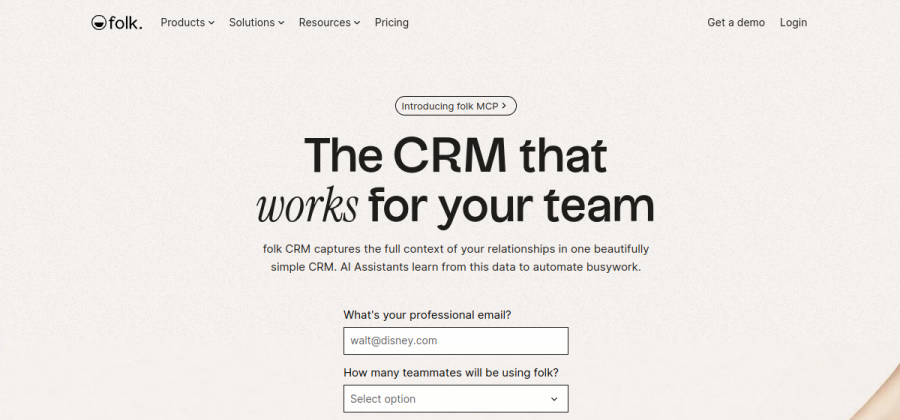

Relationship-first CRM with beautiful UX. Built for modern solo founders and small creative teams.
Open folk.app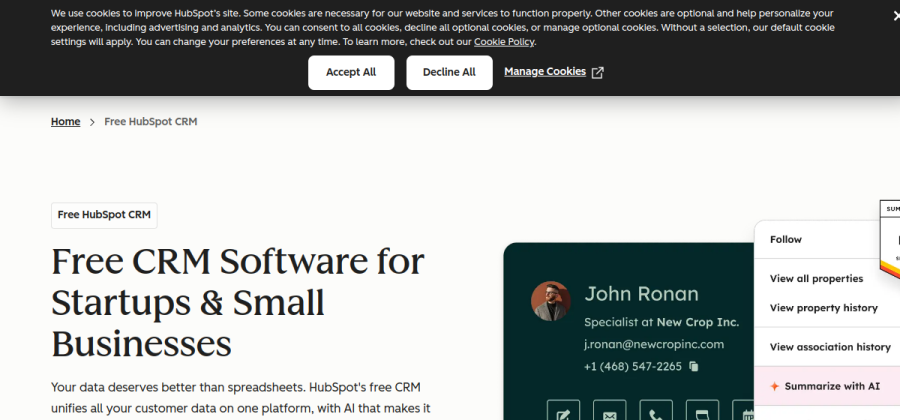

The most generous free tier in the category. Contacts, deals, email sync and automations.
Open hubspot.com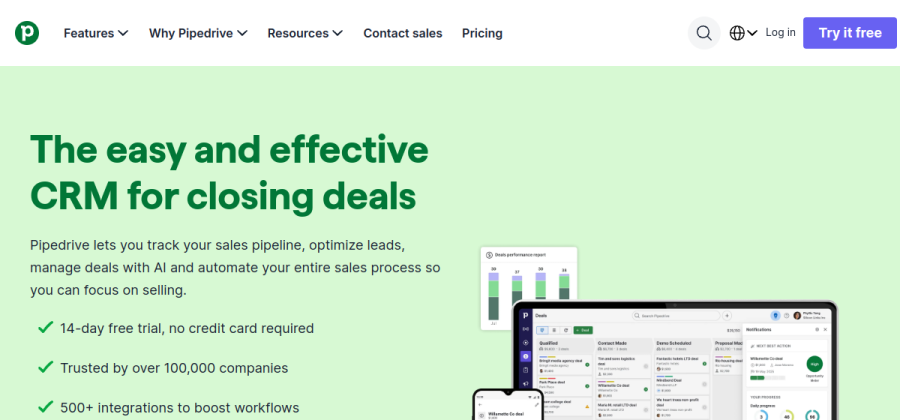

Clean, pipeline-first CRM. Aged well because it does one thing very clearly.
Open pipedrive.com

Flexible, spreadsheet-style CRM. Ideal if you want to shape the tool around your work.
Open attio.com

Simple, near-free option for very small contact lists. Trades email sync for simplicity.
Open notion.soPrices and plans change — always verify on the vendor's site before committing.
Top pick: Folk
Folk does the boring parts well and does not make you feel like a sales team. Clean contact records, built-in email sync, simple pipelines — it actually feels good to use.
- Best for: solo founders, consultants, creators managing 50–500 relationships.
- Skip it if: you need deep sales reporting or marketing automation. Folk is lightweight on purpose.
HubSpot Free
HubSpot ’s free tier is still the most generous in the category. You get contacts, deals, email sync, simple automations and a lot of room before it pushes you to upgrade.
- Best for: anyone who might eventually want marketing, forms and email in the same tool.
- Skip it if: you want something minimal. HubSpot is built to grow into a bigger stack.
Pipedrive
Pipedrive is the classic “clean sales pipeline” CRM. Drag deals across stages, set activities, see what is stalled. It has aged well because it does one thing clearly.
- Best for: freelancers and small teams with an actual sales motion.
- Skip it if: your work is mostly referral-based and you rarely work a pipeline.
Attio
Attio feels like a CRM built by people who like spreadsheets. Very flexible, good for relationships, companies, partnerships or anything that does not fit a rigid sales pipeline.
- Best for: operators, agencies and small teams that want to shape the CRM around their work.
- Skip it if: you want the software to make the decisions for you.
Notion CRM templates
If you already pay for Notion and your client list is small, a good template can be enough. You lose email sync and smart follow-ups, but you gain simplicity and cost.
- Best for: Notion-native users with fewer than ~30 active relationships.
- Skip it if: you need email logging, a real pipeline or mobile quick-add.
How to choose between them
- Relationship-first, solo? Folk.
- Planning to grow into marketing and email? HubSpot Free.
- Actual sales pipeline? Pipedrive.
- Custom workflows and flexibility? Attio.
- Already in Notion, small list? Notion template first.
Before you commit
- Refresh on what a CRM actually is.
- Use the simple CRM workflow so the tool stays in use.
- Run each option through the software decision checklist.
The shortlist at a glance
| Tool | Best for | Verdict |
|---|---|---|
| Folk | Solo founders and creators who want a beautiful, relationship-first CRM. | Top pick |
| HubSpot (Free) | Anyone who wants a full marketing + CRM stack without paying on day one. | Alternate pick |
| Pipedrive | Sales-driven freelancers and small teams that want a clean pipeline. | Alternate pick |
| Attio | Operators and small teams who like spreadsheet-style flexibility. | Alternate pick |
| Notion CRM templates | Very small setups that already live in Notion and want near-zero cost. | Alternate pick |